


Singapore AI Chip Stocks Outlook for Q4 2026: Divergence and Opportunities in the Super Cycle
With the rapid development of global artificial intelligence technology, AI chip stocks on the Singapore Exchange (SGX) main board have shown strong growth momentum in the fourth quarter of 2026. This article will conduct an in-depth analysis of the latest market performance, investment logic, and future opportunities of Singapore's AI chip stocks, explore industry divergence and investment strategies under the super cycle, and provide comprehensive market insights for investors.
Global AI Computing Power Demand Surges, Singapore AI Chip Stocks Enter Super Cycle
In the fourth quarter of 2026, global AI computing power demand has shown explosive growth, becoming the core driving force behind the rise of Singapore's AI chip stocks. According to the latest data from market research institutions, the global AI chip market size is expected to reach $500 billion in 2026, with an annual growth rate exceeding 35%. This growth is mainly driven by the rapid development of generative AI, large language models, and edge computing.
As an important hub for Asia's semiconductor industry, Singapore's AI chip industry chain has shown unique advantages during the super cycle. Singapore has world-class semiconductor manufacturing facilities, including advanced process factories from international giants such as TSMC and UMC, providing complete industry chain support for the design, manufacturing, and packaging testing of AI chips.
Market Performance and Divergence Pattern of Singapore AI Chip Stocks
In the fourth quarter of 2026, Singapore main board AI chip stocks have shown a clear divergence trend. On one hand, companies focusing on high-end AI chip design and manufacturing have shown strong stock price performance; on the other hand, some traditional chip companies face transformation pressure with relatively weak stock price performance.
Outstanding AI chip companies mainly include:
- Fabless companies focusing on AI accelerator chip design, such as EnvisageTech, whose edge AI chips have made major breakthroughs in the fields of autonomous driving and industrial IoT
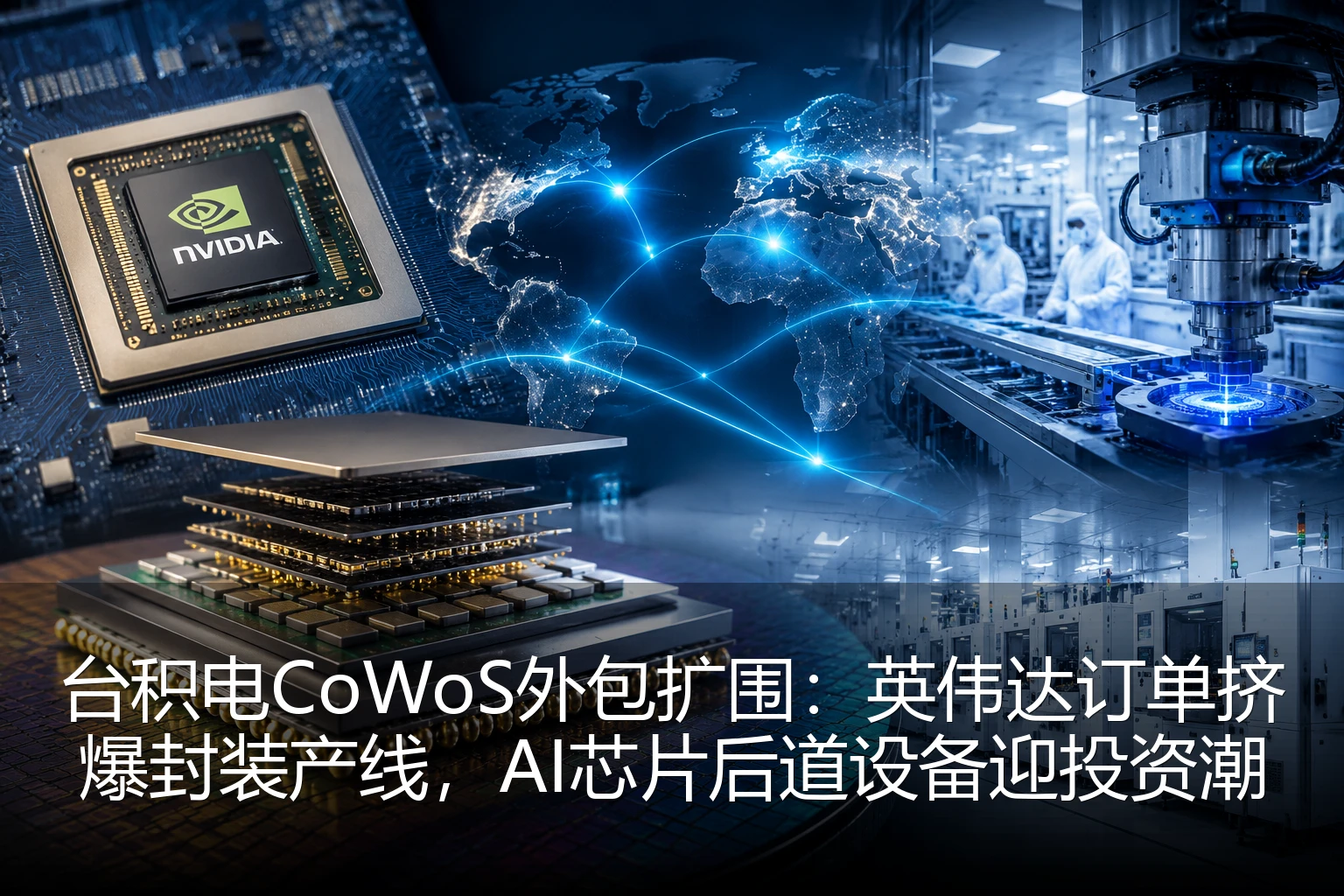
- STATS ChipPAC, which provides advanced packaging and testing services, benefiting from the surge in demand for AI chip packaging
- Companies investing in silicon photonics technology, such as UMC Singapore, which occupies a leading position in the field of AI optical interconnection
In contrast, some companies relying on traditional consumer electronics chip businesses face growth bottlenecks with significant valuation adjustments. This divergence reflects the market's reassessment of AI chip companies, with investors more inclined to choose companies with technical barriers and clear growth paths.
Core Advantages and Challenges of Singapore's AI Chip Industry Chain
Singapore's AI chip industry chain has shown multiple advantages during the super cycle:
- Policy Support: The Singapore government has launched "National AI Strategy 2.0", increasing R&D investment and tax incentives for the semiconductor industry, providing policy guarantees for the development of AI chip companies
- Industry Cluster Effect: Singapore has a complete semiconductor industry chain, forming a synergistic effect from design, manufacturing to packaging and testing
- Talent Advantage: Singapore has Asia's top semiconductor talent pool, providing intellectual support for AI chip R&D
- International Alignment: Singapore's intellectual property protection and corporate governance standards are aligned with international standards, attracting global investors
However, Singapore's AI chip industry chain also faces some challenges:
- Geopolitical Risks: Against the backdrop of global semiconductor industry chain restructuring, Singapore needs to balance multiple relationships
- Technology Iteration Pressure: AI chip technology is updated and replaced quickly, requiring companies to continuously invest in R&D
- Talent Competition: Global competition for AI chip talent is fierce, and Singapore faces the risk of brain drain
In-depth Analysis of Investment Value: Dual Perspectives of Fundamentals and Technicals
From a fundamental perspective, the investment value of Singapore's AI chip companies is mainly reflected in the following aspects:
- Revenue Growth: Leading companies' revenue in the third quarter of 2026 increased by more than 50% year-on-year, with gross margins maintained above 40%
- Order Situation: Most companies' orders for 2026 have been extended to the first quarter of 2027, showing strong demand
- R&D Investment: R&D expenditure accounts for more than 20% of revenue, maintaining a technological advantage
From a technical analysis perspective, the technical trends of Singapore's AI chip stocks show the following characteristics:
- Leading AI chip stocks have broken through historical highs, showing an upward trend
- The Relative Strength Index (RSI) shows that some stocks are in the overbought area and may face short-term callback pressure
- Trading volume continues to expand, indicating increased market participation
Fourth Quarter Investment Strategy: Seizing Super Cycle Opportunities
Based on the analysis of Singapore's AI chip stocks, we propose the following investment strategy recommendations:
- Long-term Layout: The AI computing power super cycle will last for 3-5 years, and it is recommended to hold leading companies with core technology for the long term
- Technology Differentiation: Focus on companies with advanced process capabilities, packaging technology, and AI algorithm advantages
- Risk Control: Set reasonable stop-loss points to avoid blindly chasing high prices, especially when technical indicators show overbought conditions
- Diversified Investment: Diversify risks by investing in companies at different links, including design, manufacturing, packaging and testing
Future Outlook: Long-term Opportunities for Singapore's AI Chip Industry
Looking ahead, Singapore's AI chip industry will welcome more development opportunities:
- Rise of Edge AI: With the popularization of IoT and 5G, the demand for edge computing is growing, driving the expansion of the edge AI chip market
- Development of Heterogeneous Computing: The integration of different types of computing units will become a trend, and Singapore companies have advantages in packaging technology
- Quantum Computing Integration: Quantum AI chip R&D is accelerating, and Singapore's research institutions and enterprises are actively participating in this cutting-edge field
Overall, in the fourth quarter of 2026, Singapore's AI chip stocks show strong growth potential in the global AI computing power supercycle. Investors should closely follow technological development trends, policy changes, and market demands to seize this historic investment opportunity. At the same time, it is necessary to be vigilant about factors such as overvaluation, accelerated technological iteration, and geopolitical risks, adopt prudent investment strategies, and share in the dividends of the AI chip industry development under controllable risk conditions.
With the deepening implementation of Singapore's "National AI Strategy 2.0" and the continuous release of the semiconductor industry cluster effect, Singapore is poised to become an important center for the global AI chip industry, bringing long-term stable returns to investors. In the wave of the supercycle, selecting companies with core competitiveness and clear growth paths will be key to obtaining excess returns.