


Philly Semi Index Plunges Pre-market, AI Sector Hit by Profit-taking
On August 5, 2026, during the US pre-market trading session, the Philadelphia Semiconductor Index (SOX) experienced sharp volatility, falling over 2.8% at press time. Heavyweight Advanced Micro Devices (AMD) saw its pre-market decline widen to 4.2%, NVIDIA dropped 3.5%, and Broadcom fell 2.1%. This marks the largest single-day pre-market drop since mid-July, directly triggered by overnight downgrades from multiple buy-side institutions on AI infrastructure spending growth forecasts.
A latest Morgan Stanley report indicates that global hyperscale cloud service provider capital expenditure growth will decelerate from 38% in 2025 to 22% in 2026, a turning point signal being amplified by the market. What does this signal mean for the Asian semiconductor supply chain, heavily reliant on AI chip exports? How will semiconductor equipment and testing companies listed on the Singapore Exchange (SGX) Mainboard respond?
AI Chip Earnings Diverge: From 'All Boats Rise' to 'Picking Winners'
Over the past 18 months, the AI chip sector saw almost anything related surge, but the Q2 earnings season revealed a harsh reality: performance divergence is accelerating sharply. NVIDIA remains strong with its H200 and B200 series, but AMD's MI350X series penetration among cloud customers fell short of expectations, with its data center GPU business revenue growing only 3% quarter-on-quarter, far below the market's expected 12%.
More noteworthy is the downstream application side. Custom AI chip (ASIC) design service providers like Marvell Technology and Alchip both issued Q2 revenue guidance below analyst consensus. This indicates that beyond hyperscale GPU clusters for training, demand for AI chips in inference and vertical scenarios has yet to reach a true breakout point. For SGX investors, this means the past strategy of 'buying any AI concept' needs re-evaluation; distinguishing companies genuinely tied to NVIDIA's core supply chain from peripheral players riding the hype becomes crucial.
TSMC CoWoS Capacity Eases, Singapore Packaging Equipment Makers Under Pressure
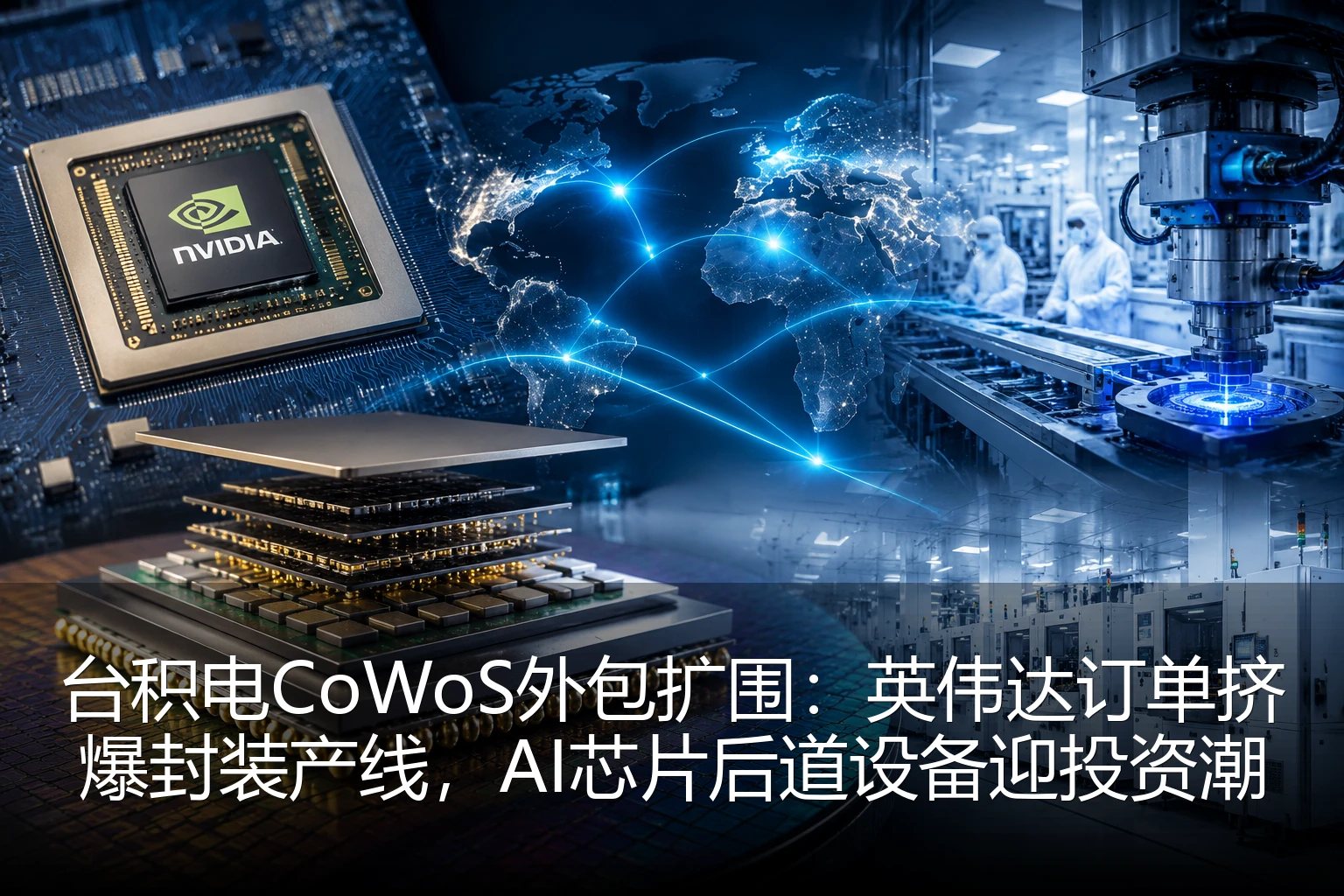
As a key bottleneck in AI chip manufacturing, TSMC's CoWoS advanced packaging capacity has been a market barometer. According to a Taiwan Economic Daily report this morning, TSMC has internally adjusted its Q4 2026 CoWoS monthly capacity target from 75,000 wafers to 72,000 wafers. Although the adjustment is minor, it is the first downward revision in capacity planning in two years. Sources revealed that orders from some second-tier cloud service providers have been delayed, primarily because the digestion speed of GPU inventory stockpiled in 2025 is slower than expected.
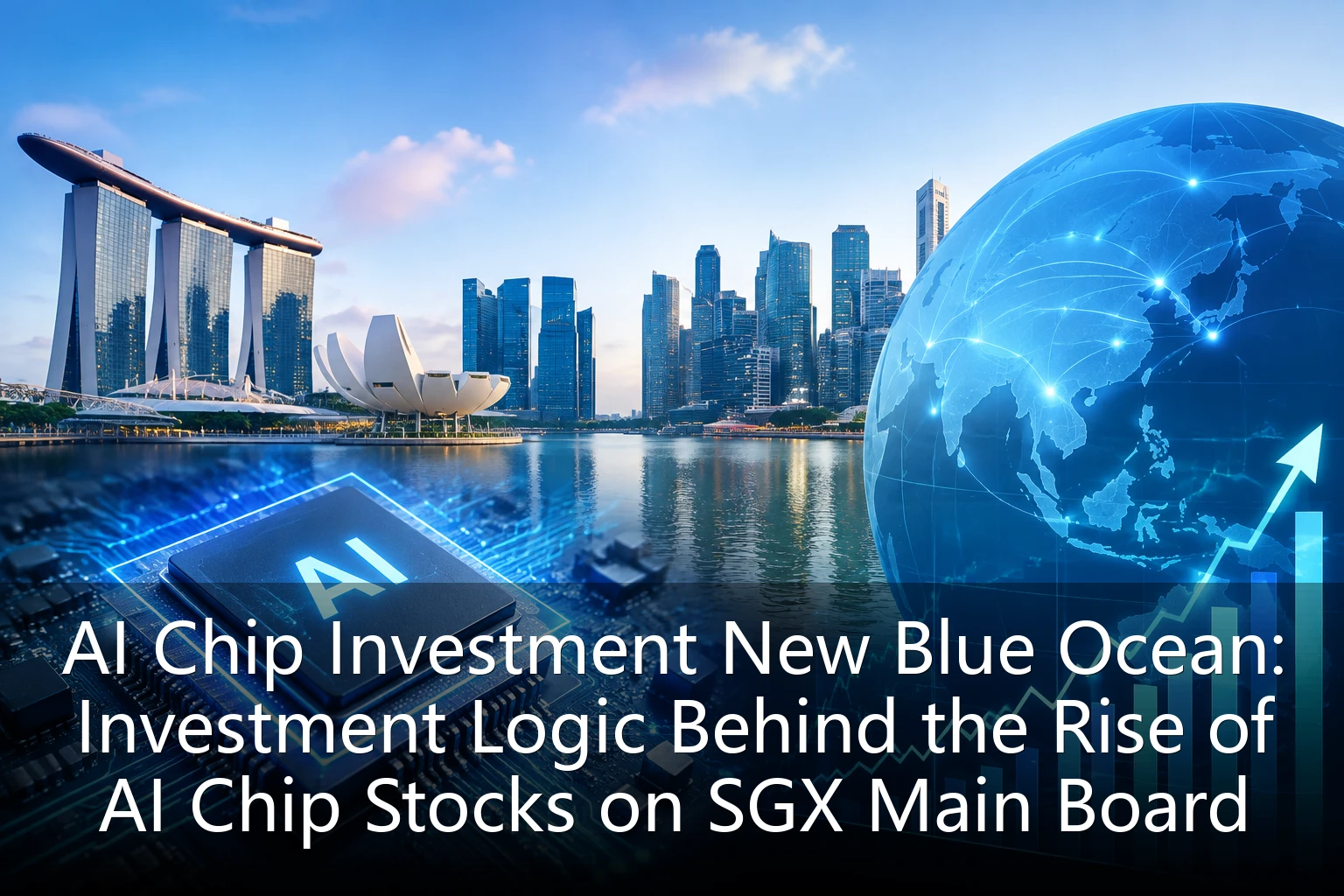
This signal exerts direct pressure on Singapore's semiconductor packaging equipment makers. SGX Mainboard-listed AEM Holdings and UMS Holdings are important members of TSMC's packaging supply chain. UMS Holdings' Q2 results released in July beat expectations, but its management hinted during the earnings call that 'order visibility for the second half of the year has decreased.' Today's pre-market plunge in the Philadelphia Semiconductor Index is likely to trigger a chain reaction when the Singapore market opens tomorrow, especially creating selling pressure on packaging equipment concept stocks like AEM, UMS, and Grand Venture Technology.
Samsung HBM4 Yield Breakthrough, Memory Chip Prices Face High-Level Volatility
In another core AI chip segment—High Bandwidth Memory (HBM)—Samsung Electronics announced this morning that its sixth-generation HBM4 trial production yield has exceeded 60%, with plans to send samples to NVIDIA for certification in Q4 2026. While this news is positive long-term, it has sparked short-term market concerns about an HBM price war.
Currently, SK Hynix holds over 65% of the HBM3E market share, and Samsung's accelerated catch-up means competition in the HBM market will intensify next year. For Singapore investors, the risk to watch is a potential pullback in memory chip prices from high levels. SGX Mainboard-listed AEM Holdings, as a memory chip testing equipment supplier, has an order rhythm highly correlated with the HBM expansion cycle. Samsung's yield breakthrough means more capacity is about to come online, but if demand growth fails to keep pace with supply expansion, test equipment procurement could face a phased slowdown.
Foreign Capital Flow Alert: Net Outflow from Singapore Semiconductor Sector
According to the latest capital flow data disclosed by SGX, the Singapore Mainboard technology sector saw a net foreign outflow of approximately S$120 million in the last week of July, the first weekly net outflow in three months. The semiconductor equipment and testing services sub-sector saw the most significant outflow. Combined with the Philadelphia Semiconductor Index's pre-market plunge on August 5, this trend is likely to intensify further in early August.
For short-to-medium-term investors, the current risk points to watch are: first, delayed equipment demand due to an extended AI chip inventory digestion cycle; second, price competition triggered by overly rapid HBM capacity expansion; and third, the transmission effect of slowing global cloud service provider capital expenditure growth on the supply chain. However, long-term investors should also recognize that Singapore's competitiveness as a key hub in the Asian semiconductor supply chain—in AI chip packaging, testing, and precision equipment machining—has not weakened. Short-term corrections may present a window to accumulate core positions.
Investment Takeaway: From 'Theme Hype' Back to 'Order Verification'
For AI chip investing in the second half of 2026, the keyword has shifted from 'story' to 'orders.' Investors need to closely monitor three indicators: first, the proportion change of advanced packaging business in TSMC's monthly revenue announcements; second, the inventory turnover days of chip designers like NVIDIA and AMD; and third, the new orders-to-backlog ratio of local Singapore equipment makers.
For AI concept stocks on the SGX Mainboard, investors are advised to adopt a 'core plus satellite' strategy: hold equipment makers with substantial order support like AEM Holdings and UMS Holdings as core positions, use higher-beta targets like AI chip design services and AI server assemblers as satellite allocations, while closely monitoring the Philadelphia Semiconductor Index's technical support levels and foreign capital flow changes to implement risk hedging.