


New Opportunities in Singapore's Semiconductor Industry Amid AI Computing Power Boom: Investment Potential in Packaging and Testing
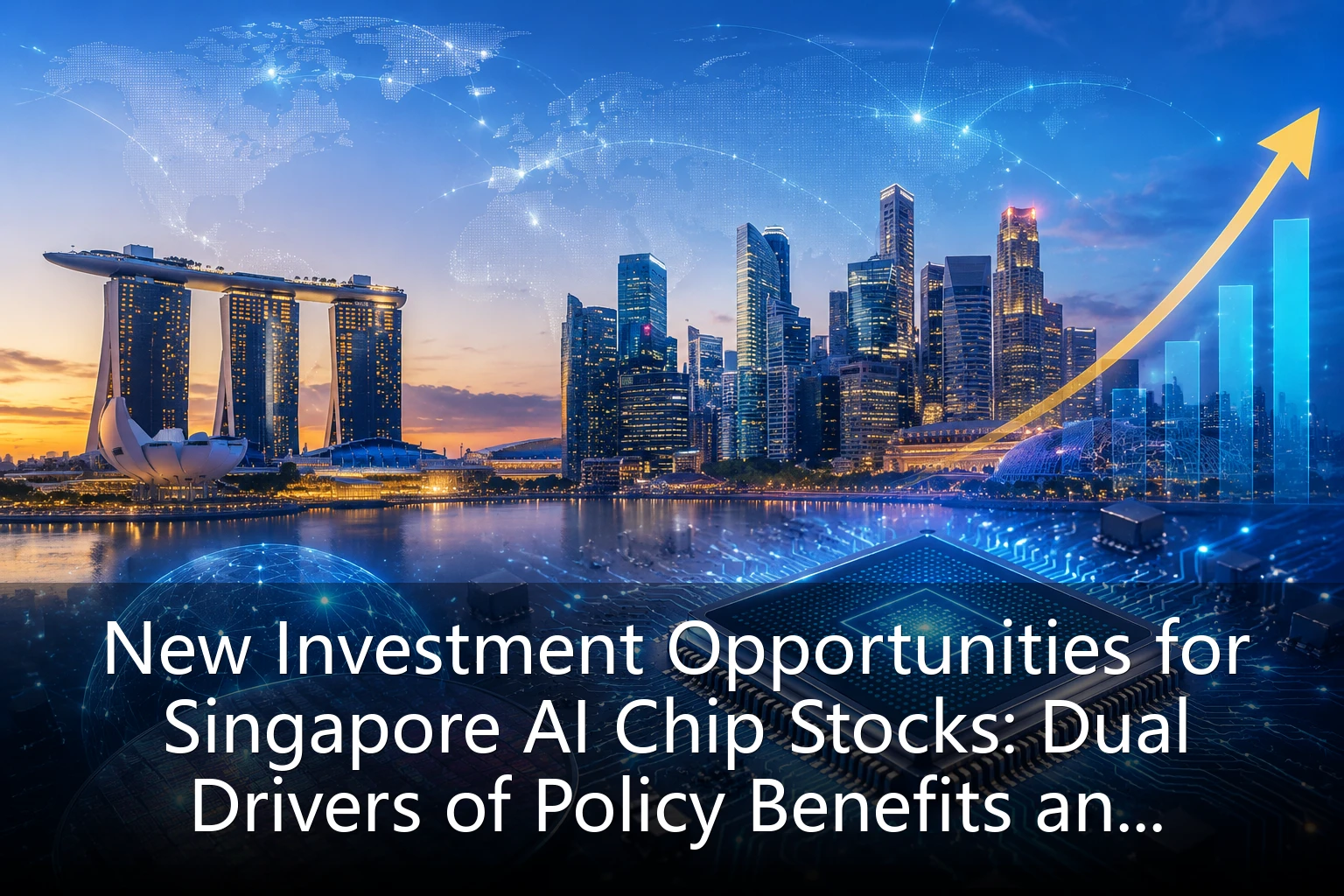
In the context of rapid iteration in Artificial Intelligence (AI) technology, global demand for computing power is experiencing explosive growth, which directly drives the upgrading and restructuring of the semiconductor industry chain. As a vital node in the global semiconductor supply chain, Singapore is emerging as a key participant in the AI chip industry chain, thanks to its advanced manufacturing capabilities and strategic positioning. Particularly in the packaging and testing segments, Singaporean enterprises are experiencing unprecedented development potential due to technological advantages and market opportunities. This article will deeply analyze how AI computing power demand is driving changes in the Singaporean semiconductor industry chain, focusing on the investment potential in packaging and testing, to provide investors with comprehensive market insights.
AI Computing Power Boom: The Driving Force of the Semiconductor Industry Chain
In recent years, the widespread application of AI technology, from data centers to edge computing, and from autonomous driving to smart healthcare, has led to a sharp increase in the demand for high-performance chips. Industry reports indicate that the global AI chip market size is expected to reach hundreds of billions of dollars by 2026, with a compound annual growth rate exceeding 30%. This growth is primarily driven by two factors: first, the increasing complexity of AI models, which requires more computing power; and second, the rise of edge AI, which pushes chips toward miniaturization and low power consumption. Against this backdrop, every segment of the semiconductor industry chain, especially packaging and testing, is facing unprecedented challenges and opportunities.
Packaging and testing, as downstream processes in chip manufacturing, are directly related to chip performance, reliability, and cost. As AI chips evolve toward higher integration and more complex architectures, traditional packaging technologies are no longer sufficient to meet the demands. Advanced packaging technologies, such as 2.5D/3D packaging, silicon interposers, and Chiplets, have become key to enhancing chip performance. Concurrently, the testing stage has become even more critical due to increased chip complexity, requiring more efficient testing solutions to ensure product quality. Singapore, with its long accumulation in semiconductor packaging and testing, is becoming a significant beneficiary of this technological transformation.
Singapore's Semiconductor Industry Chain: Core Advantages in Packaging and Testing
As a leading global semiconductor manufacturing hub, Singapore possesses a complete industry chain layout, from wafer fabrication to packaging and testing, and to equipment and material supply, forming a robust ecosystem. In the packaging and testing sector specifically, Singaporean companies hold an important position due to their technological leadership and market standing. For example, STATS ChipPAC, as a leading global semiconductor packaging and testing service provider, has deep technological accumulation in advanced packaging, offering high-density, high-performance packaging solutions for AI chip customers. Furthermore, Singaporean testing equipment manufacturers, such as AEM Holdings, have made significant progress in AI chip testing, with their products widely used by major global chipmakers.
Government support from Singapore also provides strong backing for the semiconductor industry's development. Singapore has introduced a series of industrial support programs to encourage technological innovation and capacity expansion. For instance, the Economic Development Board (EDB) attracts semiconductor investment by providing R&D subsidies and tax incentives. Moreover, Singapore's favorable geographical location, close to major Asian markets, facilitates supply chain integration, further enhancing its competitiveness in the global semiconductor industry chain.
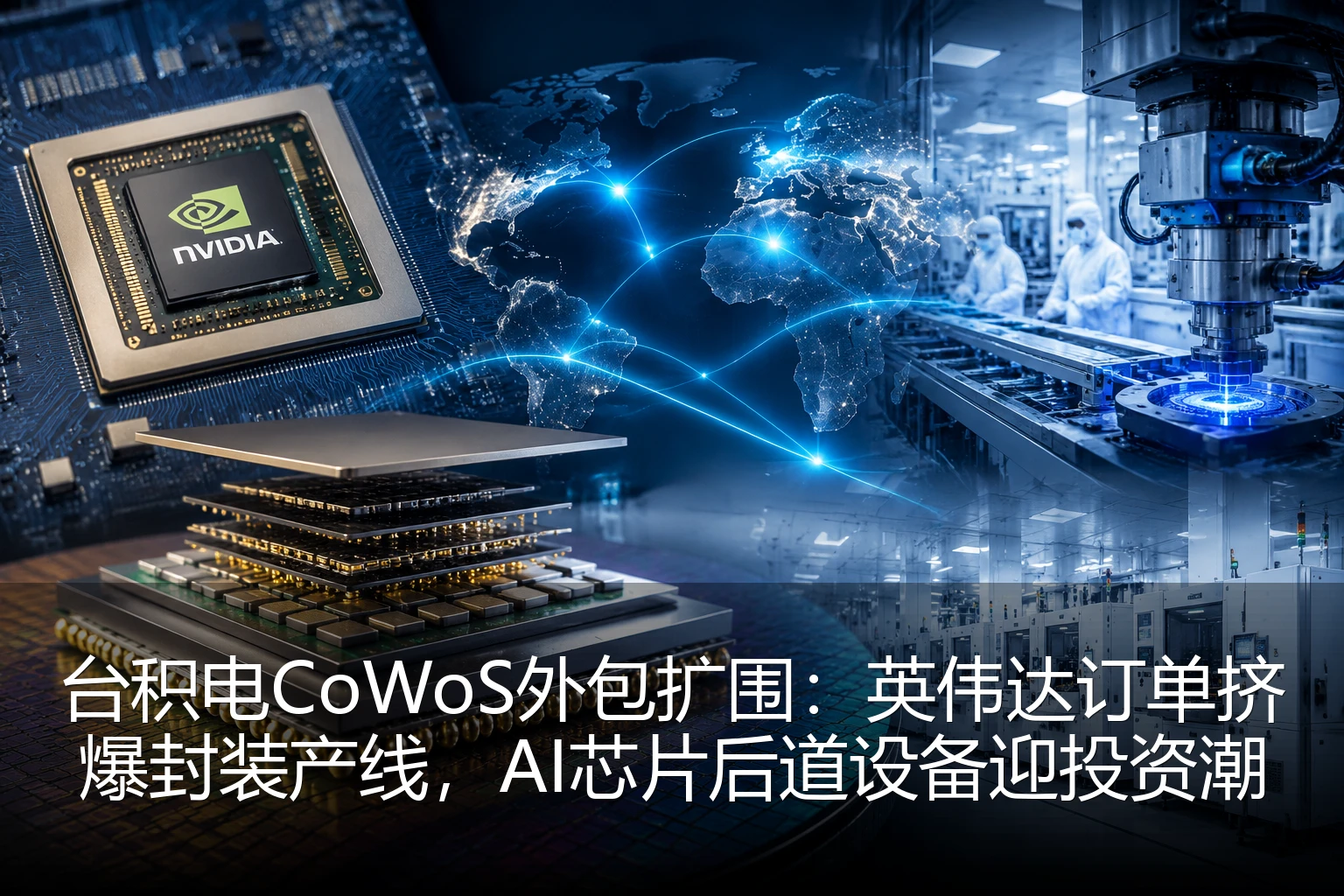
Packaging Segment: Demand Surge and Technological Innovation The high-performance demands of AI chips have driven rapid advancements in packaging technology. Traditional packaging methods struggle to meet the high bandwidth and low latency requirements of AI chips, making advanced packaging techniques the mainstream choice. 2.5D/3D packaging achieves higher integration and performance by stacking multiple chips together. For instance, TSMC's CoWoS (Chip-on-Wafer-on-Substrate) technology has become the standard solution for AI chip packaging, while SK Hynix in Singapore is also actively developing similar technologies to meet the needs of customers like NVIDIA.
The surge in packaging demand is evident not only in technological upgrades but also in capacity expansion. As orders for AI chips increase dramatically, packaging capacity has become a bottleneck. Singaporean companies are increasing investments to expand advanced packaging capacity. For example, SK Hynix plans to expand its packaging facilities in Singapore to meet growing demand. Furthermore, Singapore's packaging technology is evolving toward smaller sizes and higher densities to meet the needs of edge AI chips. These initiatives not only enhance Singapore's competitiveness in the packaging sector but also provide new opportunities for investors.
Testing Stage: Quality Assurance and Efficiency Improvement
Testing is a critical step in ensuring chip quality, and its complexity and importance have significantly increased in the field of AI chips. AI chips typically contain a large number of transistors and complex circuits, requiring more efficient solutions to reduce cost and time. Singaporean test equipment manufacturers, such as AEM Holdings, have improved testing efficiency by developing advanced testing systems. For example, AEM's testing equipment can test multiple chips simultaneously, significantly shortening testing cycles and reducing production costs.
Innovation in the testing stage is not limited to equipment but also to testing methodologies. With the proliferation of AI chips, the volume of test data has surged, making traditional testing methods inadequate. Singaporean companies are exploring the application of artificial intelligence in testing, optimizing testing processes through machine learning to improve testing accuracy. This technological innovation not only enhances testing efficiency but also lays the foundation for Singapore's leading position in the testing sector.
Investment Opportunities: Potential Stocks in Packaging and Testing
For investors, potential stocks in the packaging and testing segments are worth watching. Related companies listed on Singapore's stock exchange, such as SK Hynix and AEM Holdings, are benefiting from the growth in AI computing power demand. These companies are expected to achieve performance growth through industry chain upgrades, leveraging their technological advantages and market positions.
As a leading global packaging and testing service provider, SK Hynix's business covers advanced packaging, testing, and silicon-based microelectronics. With the increasing demand for AI chips, SK Hynix's advanced packaging business is poised for explosive growth. Furthermore, the company is actively expanding into emerging markets, such as automotive electronics and IoT, to further diversify risks. Investors can monitor its capacity expansion plans and technological innovation progress.
AEM Holdings focuses on semiconductor test equipment manufacturing, and its products are widely used by major global chip manufacturers. With the increased demand for AI chip testing, the demand for AEM's testing equipment is surging. The company's second-quarter financial report showed a doubling of net profit, indicating strong growth momentum. Investors should pay attention to its technological upgrades, market expansion, and its position in the global supply chain. Besides these two companies, other semiconductor-related stocks on the Singapore exchange are also worth watching. For example, some equipment manufacturers and material suppliers may benefit from the expansion of the AI chip industry chain. Investors need to conduct in-depth analysis of each company's technological advantages, market positioning, and financial status to make informed investment decisions.
Investment Strategy: Seizing Opportunities in the AI Computing Power Wave
When investing in the Singapore semiconductor industry chain, investors should pay attention to the following points:
* Technological Leadership: Select companies with core technological advantages in packaging and testing, as these companies are more likely to stand out in the competition.
* Capacity Expansion Plans: Monitor companies' capacity expansion plans, especially investments in advanced packaging and testing, as this directly relates to their market competitiveness.
* Customer Structure: Analyze a company's customer structure to see if they collaborate with major global AI chip manufacturers, which will affect their order stability and growth potential.
* Policy Support: Consider the industry support policies of the Singapore government, as these policies may provide tax incentives and R&D funding, enhancing profitability.
* Financial Health: Evaluate a company's financial health, including revenue growth, profit margins, and cash flow, to ensure investment safety and return.
Furthermore, investors should pay attention to industry trends, such as the technological development direction of AI chips and global supply chain changes, to adjust investment strategies. For example, as AI chips develop towards smaller sizes and higher integration, packaging and testing technologies will continue to upgrade, and investors should choose companies capable of adapting to this trend.
Conclusion
The explosion in demand for AI computing power has brought unprecedented opportunities to the Singapore semiconductor industry chain, especially in the packaging and testing segments. Singaporean companies, leveraging technological advantages, policy support, and market position, are becoming significant beneficiaries of this wave. For investors, potential stocks in the packaging and testing segments are worth watching, but careful analysis of the companies' technological strength, market positioning, and financial status is required. By deeply understanding industry trends and investment strategies, investors can seize investment opportunities in the AI computing power wave and achieve long-term value growth.
Disclaimer: This content is for reference only and does not constitute investment advice. Investment involves risks, please proceed with caution.