


New Trends in Singapore's AI Chip Stocks: Investment Opportunities from Technological Breakthroughs to Market Revaluation
In 2026, the global artificial intelligence industry is experiencing unprecedented rapid development. As an important hub for Asia's semiconductor industry, Singapore's main board AI chip stocks are facing dual opportunities of technological breakthroughs and market revaluation. With AI applications such as ChatGPT and multimodal large models continuously penetrating various industries, the demand for high-performance AI chips is showing explosive growth. Leveraging its unique industrial advantages and policy support, Singapore is gradually becoming a new hotspot for global AI chip investment.
The Background of Singapore's AI Chip Industry Rise
As a key node in Asia's semiconductor industry, Singapore has made significant progress in the AI chip sector in recent years. According to data from Singapore's Economic Development Board (EDB), Singapore's semiconductor industry accounts for 10% of the global semiconductor market, with AI-related chips being one of the fastest-growing segments. The Singapore government has strongly supported AI chip R&D and industrialization through policies such as the "National AI Strategy 2.0," creating a favorable development environment for Singapore's AI chip stocks.
Singapore has established a presence across all segments of the AI chip industry chain, from design and manufacturing to packaging and testing, forming a relatively complete industrial ecosystem. Particularly in the advanced packaging sector, companies like STATS ChipPAC have become important global suppliers of AI chip packaging through their technical advantages. Additionally, Singapore has attracted numerous international semiconductor giants to establish R&D centers and production facilities, further strengthening its competitiveness in the AI chip field.
Technological Breakthroughs Driving the Value Reshaping of Singapore's AI Chip Stocks
Since 2026, Singapore's AI chip stocks have achieved a series of breakthroughs at the technological level, which are reshaping the market's valuation of these stocks.
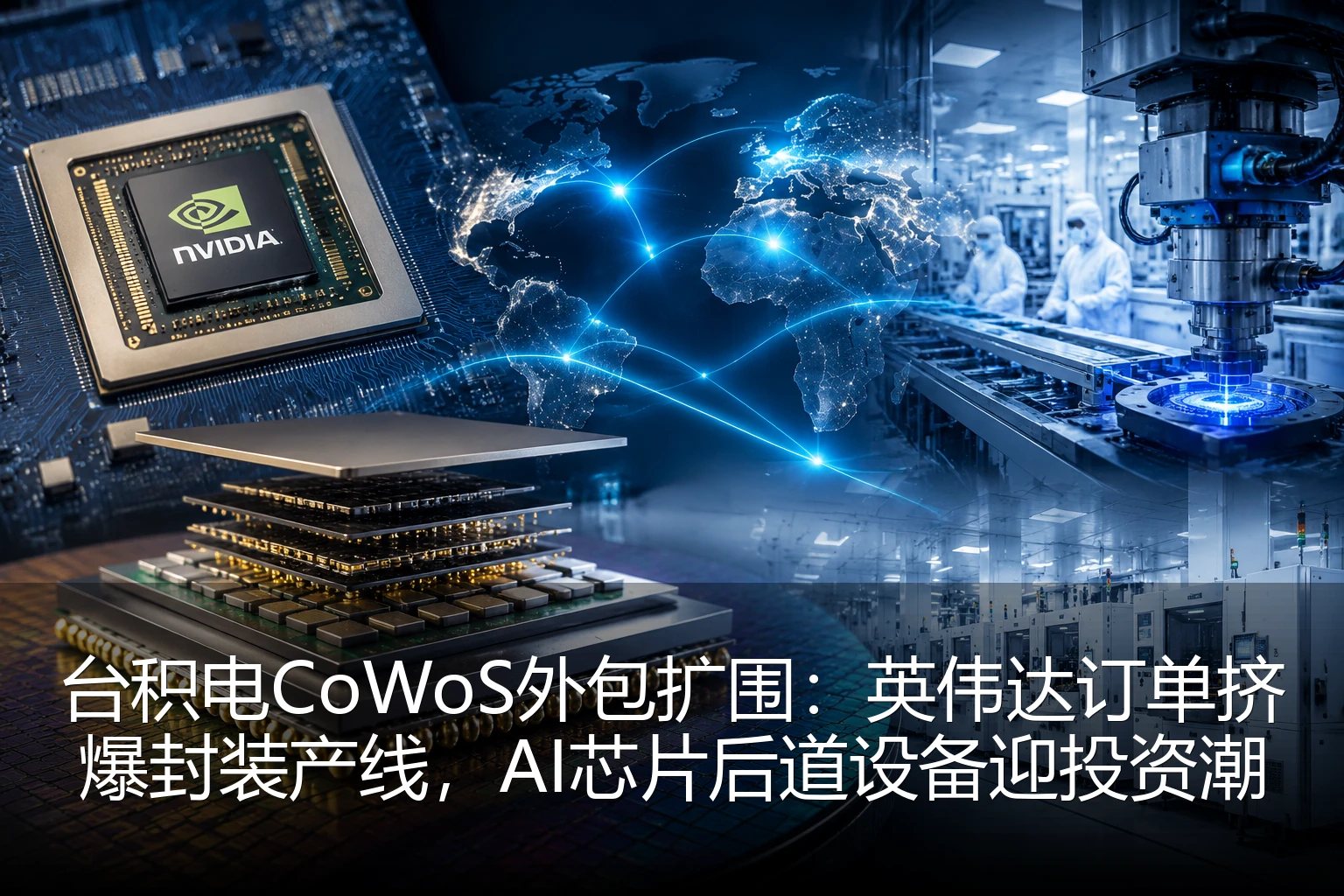
- Advanced Packaging Technology Leadership: Singapore's companies are globally leading in advanced packaging, with technologies such as 2.5D/3D packaging and silicon interposers being widely used in AI chip packaging. STATS ChipPAC's high-bandwidth memory (HBM) packaging solution has effectively improved the performance and energy efficiency ratio of AI chips, gaining favor from multiple international AI chip manufacturers.
- Silicon Photonics Technology Breakthrough: Singapore has made significant breakthroughs in silicon photonics chips. UMC's Singapore factory has successfully mass-produced silicon photonics wafers, providing new solutions for high-speed optical interconnects in AI chips. This technology is expected to solve the "memory wall" problem faced by AI chips, significantly improving computational efficiency.
- Edge AI Chip Innovation: With the growing demand for edge computing, Singaporean companies have increased R&D investment in edge AI chips. Fabless AI chip design companies like Envision have launched low-power edge AI chips, showing broad application prospects in fields such as smart IoT and autonomous driving.
These technological breakthroughs have not only enhanced the core competitiveness of Singapore's AI chip companies but have also brought them higher market valuations. Investors have begun to reassess the long-term value of Singapore's AI chip stocks, with related stocks showing strong performance in 2026.
Dual Drivers of Policy Dividends and Market Demand
The Singapore government's support for the AI chip industry continues to strengthen, providing strong policy guarantees for AI chip stocks. In July 2026, the Singapore government announced it would invest 5 billion Singapore dollars to support semiconductor R&D and talent development, with 30% specifically allocated to AI chip-related projects. Additionally, Singapore has introduced various tax incentive measures to encourage increased R&D investment in AI chips.
Meanwhile, global demand for AI chips remains strong. According to market research institutions, the global AI chip market size is expected to reach 150 billion US dollars in 2026, with an annual growth rate exceeding 30%. The popularization of AI applications in data centers, autonomous driving, smart healthcare, and other fields has led to explosive growth in demand for high-performance AI chips. Leveraging its geographical advantages and industrial foundation, Singapore is becoming an important node in the global AI chip supply chain.
Investment Value Analysis of Singapore's Main Board AI Chip Stocks
Singapore's main board AI chip stocks cover multiple segments of the industry chain, providing investors with diversified investment choices. From an investment value perspective, Singapore's AI chip stocks can be mainly categorized as follows:
- AI Chip Design Companies: Such as Envision, which focuses on AI chip design and has technological advantages in specific fields with high growth potential. Although these companies are relatively small in scale, they have unique competitiveness in niche areas such as edge AI and specialized AI chips.
- Semiconductor Equipment Manufacturers: Such as UMS Holdings, which benefits from the growth in equipment demand driven by AI chip capacity expansion. These companies have stable performance and abundant cash flow, suitable for investors seeking stable returns.
- Packaging and Testing Enterprises: Such as STATS ChipPAC, which has technical advantages in advanced packaging and is an important link in the AI chip industry chain. With the growth in demand for AI chip packaging, these companies are expected to achieve continuous growth.
- Materials and Chemical Suppliers: Such as JSR Micro, which provides key materials for AI chip manufacturing. With the expansion of AI chip capacity, these companies will also benefit.
From a valuation perspective, the valuation levels of Singapore's AI chip stocks are relatively reasonable, with PEG ratios (Price/Earnings to Growth) of some leading companies in niche segments below the industry average, indicating certain investment value. Especially against the backdrop of the cyclical adjustment in the global semiconductor industry, Singapore's AI chip stocks demonstrate strong anti-cyclicality based on their technological advantages and industrial ecosystem.
Investment Risks and Challenges
Although Singapore's AI chip stocks have broad prospects, investors should still pay attention to the following risk factors:
- Technology Iteration Risks: Semiconductor technology updates and iterations are fast, with competition in the AI chip field being particularly intense. If companies cannot maintain their technological leadership, they may face the risk of declining market share.
- Changes in International Trade Environment: The global semiconductor industry chain is significantly affected by the international trade environment, and trade frictions and policy changes may create uncertainties for Singapore's AI chip companies.
- Intensifying Talent Competition: AI chip R&D requires a large number of high-end talents, and global talent competition may increase labor costs for companies, affecting profitability.
- Market Demand Fluctuations: AI chip market demand is greatly influenced by downstream applications. If AI application development does not meet expectations, it may lead to a slowdown in AI chip demand.
Investment Strategy Recommendations
Based on the analysis of Singapore's AI chip stocks, we propose the following investment strategy recommendations:
- Focus on Technology-Leading Companies: Prioritize companies with core technological advantages in AI chip niche segments, such as leading companies in advanced packaging, edge AI chips, and other fields.
- Diversify Investments Across Industry Chain Segments: Reduce risks in single segments by diversifying investments in companies across the AI chip industry chain, including design, manufacturing, and packaging/testing.
- Combine Long-term Holding with Tactical Trading: The AI chip industry is in a high-growth phase, suitable for long-term holding, but investors can also engage in tactical trading based on market fluctuations to improve investment returns.
- Focus on Policy Directions: Closely follow the Singapore government's policy support direction for the AI chip industry to grasp investment opportunities brought by policy dividends.
Future Outlook
Looking ahead, Singapore's AI chip stocks are expected to continue benefiting from the global AI industry wave. With the continuous improvement of Singapore's semiconductor industry chain and ongoing technological innovation, Singapore's main board AI chip stocks will face more development opportunities. Especially in niche segments such as advanced packaging, edge AI, and silicon photonics chips, Singaporean companies are expected to maintain their technological advantages, creating long-term value for investors.
At the same time, with the deep implementation of Singapore's "National AI Strategy 2.0," the AI chip industry will deeply integrate with AI application scenarios, forming a more complete industrial ecosystem. This "technology + application" dual-drive model will provide continuous growth momentum for Singapore's AI chip stocks.
Overall, Singapore's main board AI chip stocks are in a critical period of technological breakthroughs and market revaluation, possessing high investment value. While paying attention to short-term market fluctuations, investors should focus more on long-term industry trends and grasp the development opportunities of Singapore's AI chip stocks.