


In July 2026, the Asian semiconductor market entered a dense earnings reporting period. With sustained high demand for global AI computing power, a recovery in memory chips, and accelerating penetration of automotive electronics, the performance of leading wafer foundries and IDM manufacturers became market bellwethers. As of July 27, TSMC, SMIC, and Samsung Electronics had disclosed their Q2 results, with overall performance exceeding expectations. TSMC's revenue grew 18% YoY to $21 billion, with gross margin reaching 54%, surpassing the previous guidance upper limit of 53%. Meanwhile, China's wafer foundry leader SMIC announced that its Shenzhen 12-inch fab entered mass production three months ahead of schedule, with capacity utilization rising to 95%, demonstrating strong momentum in localization substitution.
TSMC: AI Chips Drive Earnings Growth
In its Q2 2026 earnings report released in mid-July, TSMC posted revenue of $21 billion, up 8% QoQ and 18% YoY, with net profit of $7.8 billion, up 22% YoY. Notably, revenue from high-performance computing (HPC) surpassed 50% for the first time, reaching 52%, mainly driven by AI chip orders from NVIDIA and AMD, as well as some CPU outsourcing from Intel. TSMC President C.C. Wei stated in the earnings call that 3nm process capacity is fully loaded, and 2nm process is expected to enter mass production in 2027. Worth noting, TSMC raised its full-year capital expenditure to $36 billion, an increase of $2 billion from its earlier forecast, for expansion of its Arizona fab in the US and the second fab in Kumamoto, Japan.
Industry Analysis
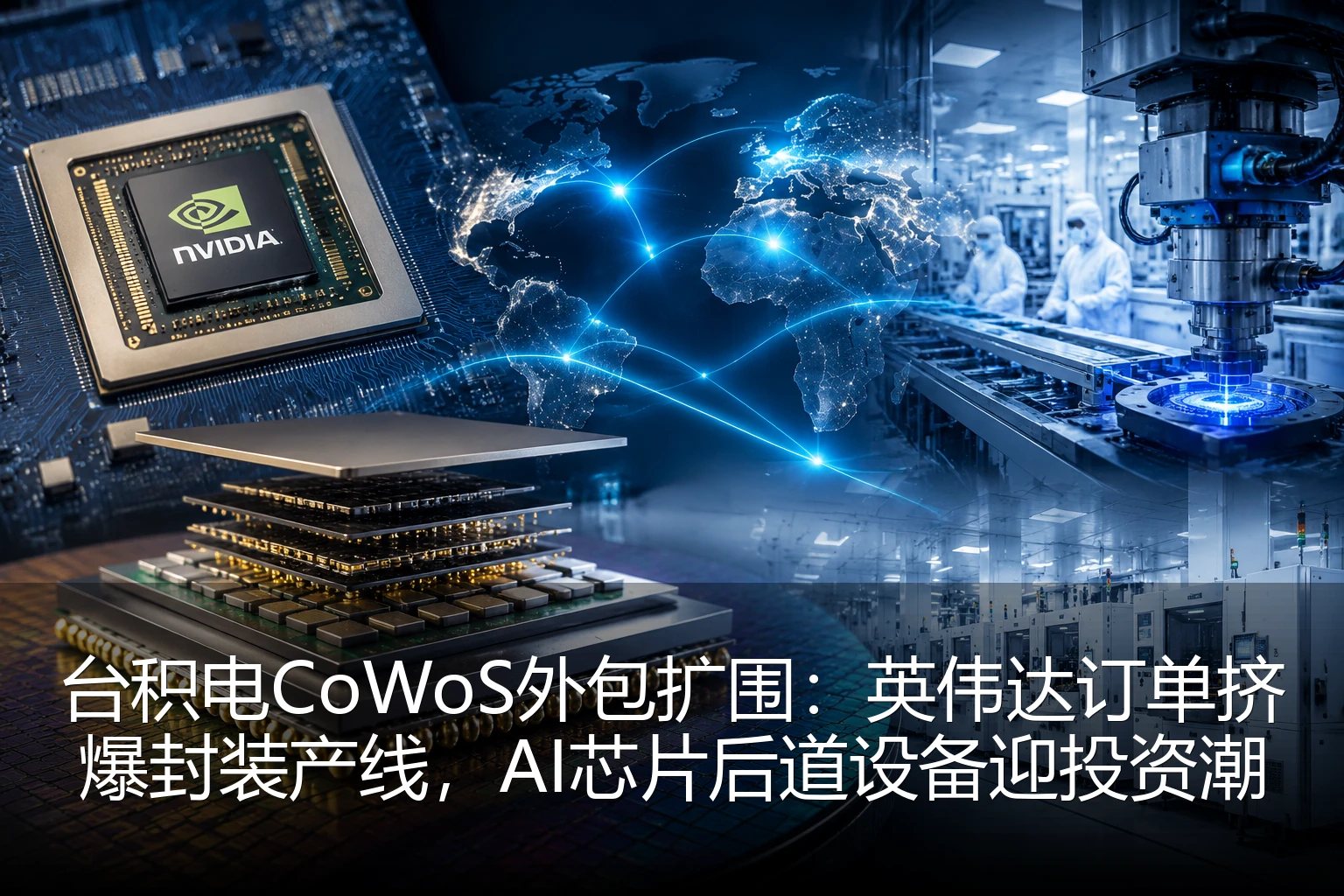
Analysts pointed out that TSMC's strong earnings confirmed the sustainability of AI computing power demand. Although consumer electronics recovery is slow, the pull from data centers and edge AI is sufficient to offset declines in other areas. In addition, TSMC's capacity expansion in advanced packaging (CoWoS and SoIC) provides more value to HPC customers. In the second half of the year, with the launch of Apple's A18 chip and Qualcomm's Snapdragon 8 Gen 5, TSMC's 3nm revenue share is expected to rise further.
SMIC: Capacity Expansion and Local Substitution in Parallel
SMIC released its Q2 2026 results on July 25, with revenue of $1.78 billion, up 11% YoY and 5% QoQ; net profit of $320 million, up 8% YoY. Notably, the company's Shenzhen 12-inch fab (planned monthly capacity of 40,000 wafers) began mass production ahead of schedule, mainly producing 28nm and 40nm processes for IoT, power management, and automotive chips. SMIC CEO Zhao Haijun stated that the company's capacity utilization has recovered from 75% at end of last year to 95%, with mature processes in short supply. In addition, SMIC announced simultaneous expansion of 12-inch production lines in Beijing, Shanghai, and Shenzhen, targeting a total monthly capacity of 200,000 wafers by the end of 2027.
IPO Lock-Up Expiration and Impact
In July 2026, SMIC marked three years since its STAR Market listing, facing a large-scale lock-up expiration (approximately 15% of total shares). Despite the unlocking pressure, the company's stock price remained stable due to share buybacks and absorption by strategic investors. The market generally believes that SMIC's long-term growth logic lies in domestic substitution and the global competitiveness of mature processes, and the lock-up expiration instead provides opportunities for long-term positioning.
Semiconductor Industry Event Calendar: What's Next
As the earnings season progresses, investors should watch the following key milestones:
- July 30: Samsung Electronics releases Q2 earnings, with focus on memory chip (HBM3E) shipments and foundry loss magnitude.
- August 15-17: SEMICON Taiwan 2026 held in Taipei, focusing on advanced packaging, heterogeneous integration, and wide-bandgap semiconductors. TSMC and ASE are expected to showcase next-generation packaging technologies.
- August 20: Hua Hong Semiconductor's STAR Market IPO lock-up expiration, with the Phase 2 launch ceremony of Hua Hong Wuxi 12-inch fab.
- September 5: IC China opens in Shanghai, focusing on domestic equipment and materials progress.
Investment Strategy: Focus on Earnings Beats and Capacity Milestones
Given the current earnings season and event catalysts, investors should focus on the following areas:
- Foundry Duopoly: TSMC (TSM) and SMIC (SMIC) remain attractive post-earnings beats, especially with SMIC's clear domestic substitution logic.
- Equipment and Materials: ASML, Applied Materials, and NAURA benefit from fab expansion. NAURA's Q2 orders grew 35% YoY, with new orders expected to continue growing this year.
- Memory Chips: HBM and DDR5 products from Samsung, SK Hynix, and YMTC are in short supply, but watch for price cycle reversals.
Overall, the semiconductor industry in the second half of 2026 is expected to maintain its momentum, driven by AI, geopolitical dynamics, and capacity expansion. Investors should closely track earnings details and capacity milestones to seize structural opportunities.